
Merging Robotics and Artificial Intelligence: The Evolution of Optical Control in Business Automation
In today’s fast-paced business world, the integration of cutting-edge technologies has revolutionized the way companies operate. One such innovation that is reshaping the landscape of business automation is the convergence of robotics and artificial intelligence. This merger is paving the way for unprecedented efficiency and accuracy in various processes, especially with the emergence of optical control.
Optical control, a key component of this evolution, involves the use of visual data to make decisions and perform tasks. By harnessing the power of optical sensors and cameras, machines can now interpret and respond to visual information in real-time. This level of precision and speed has opened up a world of possibilities for businesses looking to streamline their operations and enhance productivity.
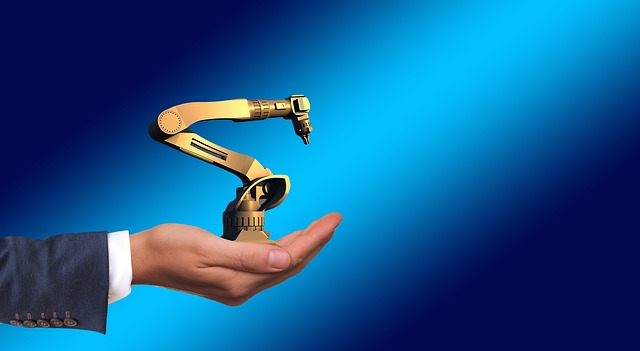
Robotics, powered by artificial intelligence, plays a vital role in enabling optical control to reach its full potential. These smart machines can analyze vast amounts of visual data with incredible accuracy, making split-second decisions that would be impossible for humans to replicate. As a result, tasks that once required human intervention can now be automated with unparalleled efficiency.
One area where the impact of optical control is particularly evident is in the manufacturing sector. With the integration of robotic systems equipped with optical sensors, businesses can achieve a level of precision and quality control that was previously unattainable. From assembly line processes to quality inspection, optical control is transforming the way products are made, ensuring consistency and reliability.
But the benefits of merging robotics and artificial intelligence with optical control extend far beyond manufacturing. In sectors such as healthcare, logistics, and retail, this advanced technology is revolutionizing operational processes, driving innovation, and improving outcomes. Tasks that are tedious, time-consuming, or error-prone can now be handled efficiently and accurately, freeing up human resources to focus on more strategic initiatives.
As businesses continue to embrace the possibilities of optical control in conjunction with robotics and artificial intelligence, the potential for transformative change is limitless. By leveraging these technologies, organizations can achieve new levels of efficiency, productivity, and competitiveness in an increasingly digital world.
So, as we witness the evolution of optical control in business automation, it is clear that the fusion of robotics and artificial intelligence is revolutionizing the way we work. By unlocking the power of visual data and intelligent machines, companies are poised to reshape industries, drive innovation, and propel their businesses towards a future defined by efficiency and excellence.