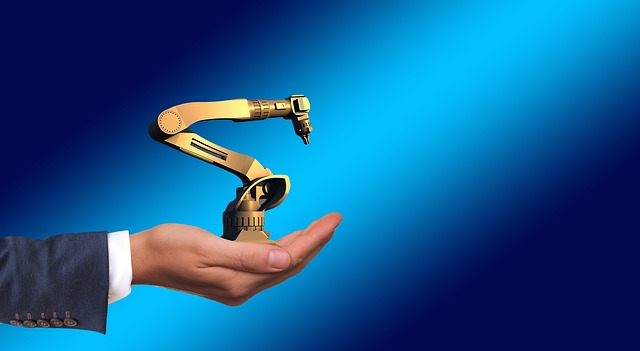

In the realm of robotics, sensor networks act as the eyes and ears of machines, enabling them to perceive and interact with the environment in a way that replicates human senses. These networks provide robots with the ability to gather real-time data, make decisions based on their surroundings, and adapt their actions accordingly. For instance, in manufacturing plants, robots equipped with sensor networks can detect defects in products, adjust their movements to optimize production speed, and ensure precision in repetitive tasks.
The impact of sensor networks extends beyond robotics into artificial intelligence, allowing AI systems to collect vast amounts of data and analyze patterns for predictive modeling and decision-making. By leveraging sensor data, AI algorithms can identify trends, anomalies, and correlations that human operators may overlook, leading to more informed and timely business decisions. In autonomous vehicles, sensor networks enable real-time monitoring of road conditions, traffic patterns, and pedestrian movements, enhancing safety and efficiency on the roads.
Business automatization is another area where sensor networks are transforming operations, streamlining processes, and reducing human intervention. From inventory management to predictive maintenance, sensor networks enable businesses to automate routine tasks, optimize workflows, and allocate resources effectively. In smart buildings, sensor networks regulate energy usage, monitor environmental conditions, and ensure occupant comfort, all while minimizing operational costs and environmental impact.
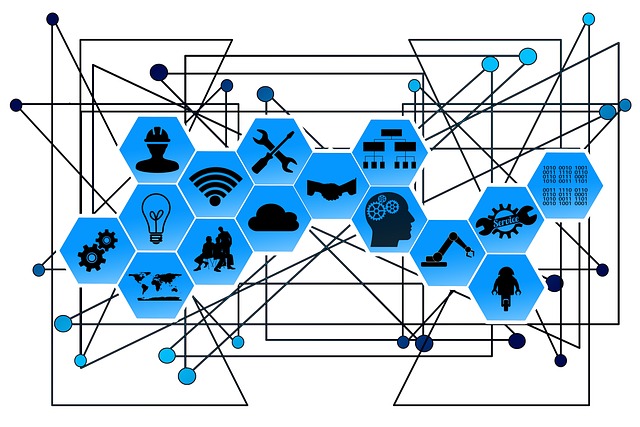
With sensor networks playing a pivotal role in robotics, artificial intelligence, and business automatization, the future of control processes is increasingly intertwined with data-driven decision-making and automation. As businesses continue to adopt these technologies, they gain a competitive edge by improving productivity, reducing errors, and enhancing overall operational efficiency. By recognizing the power of sensor networks and embracing their capabilities, companies can unlock new possibilities for innovation and growth in an increasingly digital and interconnected world.